Enquiry about object: 97
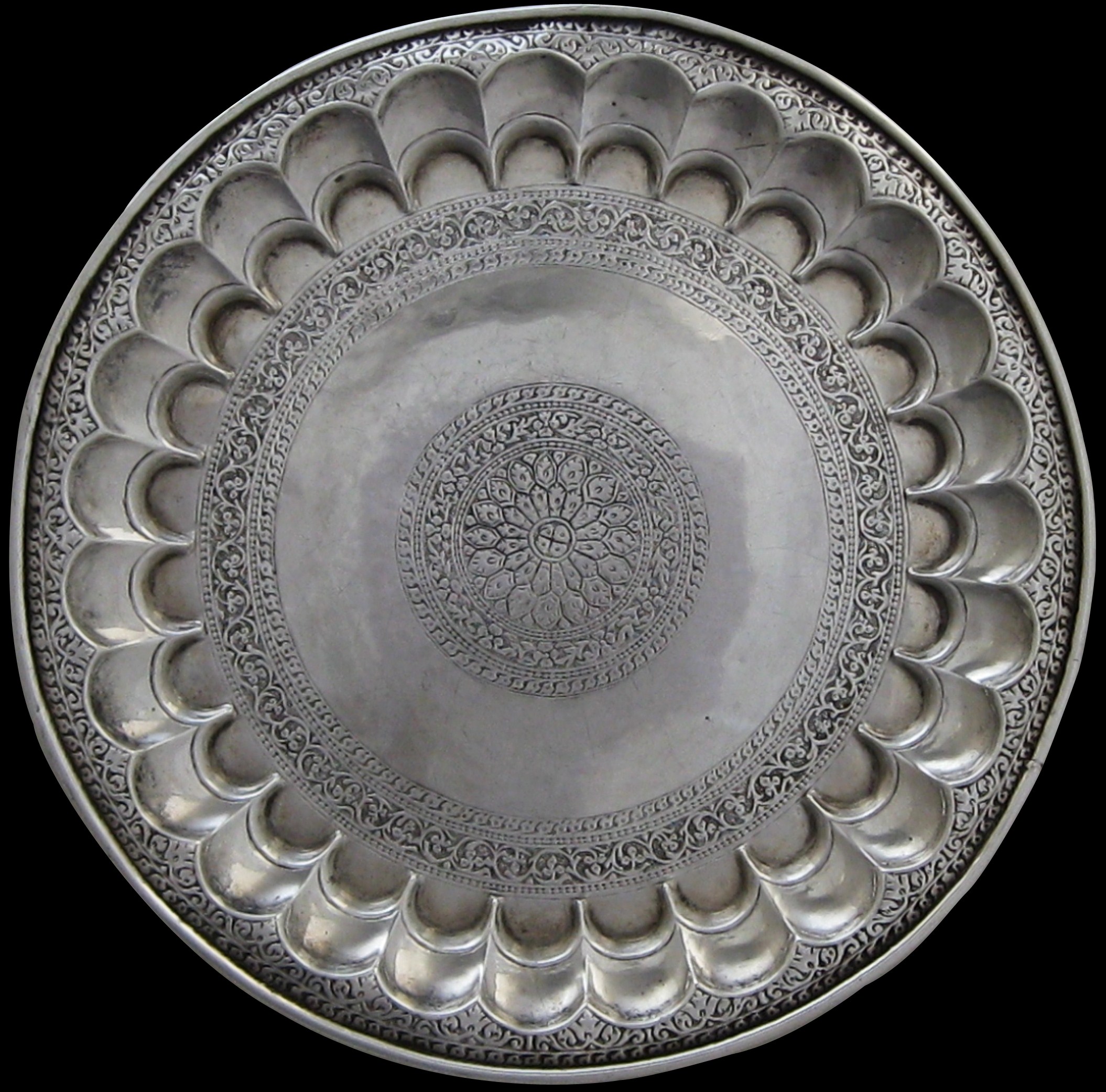
Mughal or Deccan Silver Plate (Thali)
Mughal or Deccan India early 18th century
diameter: 21.2 cm, weight: 242g
Provenance
UK art market
This thali, of shallow rounded form, is of high-grade silver, beaten, chased and engraved with a central lotus flower medallion. It is bordered by double fluted bands of scalloped lotus petal niches and with a lipped rim. Thalis such as this were used at elaborate Deccan and Mughal feasts. Each guest was served with his own thali, made of either silver or gold. Originally, precious metals were preferred as they were believed to detect poison. Later, they were preferred simply for reasons of ostentation.
A thali of almost identical form and design is in the collection of the Victoria & Albert Museum and illustrated in Terlinden (1987, p. 104).
A similar but larger thali is in the Los Angeles County Museum of Art, (inventory no. AC1999.248.1) and is illustrated in Arts of Asia, July-August, 2002, p. 32
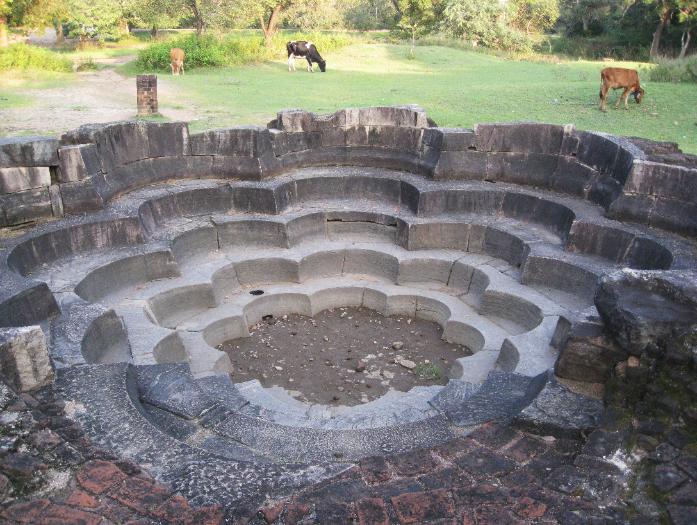
The descending lotus motif has been used throughout South Asia. The last image shows a twelfth century royal bath at Polonnaruva in central Sri Lanka that is of cut basalt and has a form that is not unlike the plate or salver here.
References
Terlinden, C.,Mughal Silver Magnificence, Antalga, 1987.
Arts of Asia, July-August, 2002.